BPC-157 promotes angiogenesis by upregulating VEGF expression, modulates nitric oxide pathways, and stimulates growth factor receptors including EGF and FGF. These mechanisms collectively accelerate tissue repair processes in preclinical models.
Research Use Only
Best Seller
BPC-157 — Body Protection Compound Research Peptide
A pentadecapeptide derived from human gastric juice, studied for its effects on tissue healing and cytoprotection in research settings.
Tissue RepairWound HealingAnti-inflammatoryNeuroprotection
CAS 137525-51-0 • 1,419.53 g/mol • Prepared for research use • Per research workflow
BPC-157 Structure
Reference identifiers are batch-specific for coded materials and are documented on the lot COA/SDS rather than inferred or estimated.
Mechanism of Action
BPC-157 Overview
BPC-157 (Body Protection Compound-157) is a synthetic pentadecapeptide consisting of 15 amino acids. It is derived from a partial sequence of body protection compound found in human gastric juice. In preclinical research, BPC-157 has demonstrated significant effects on angiogenesis, wound healing, and tissue repair across multiple organ systems. Research has shown BPC-157 accelerates healing of tendons, ligaments, muscles, and the gastrointestinal tract in animal models. It appears to modulate the nitric oxide system, promote growth factor expression, and support blood vessel formation at injury sites. PharmaOrder offers BPC-157 as a lyophilized research peptide with a Certificate of Analysis available. Available as individual vials for in-vitro research applications.
Purity & Testing
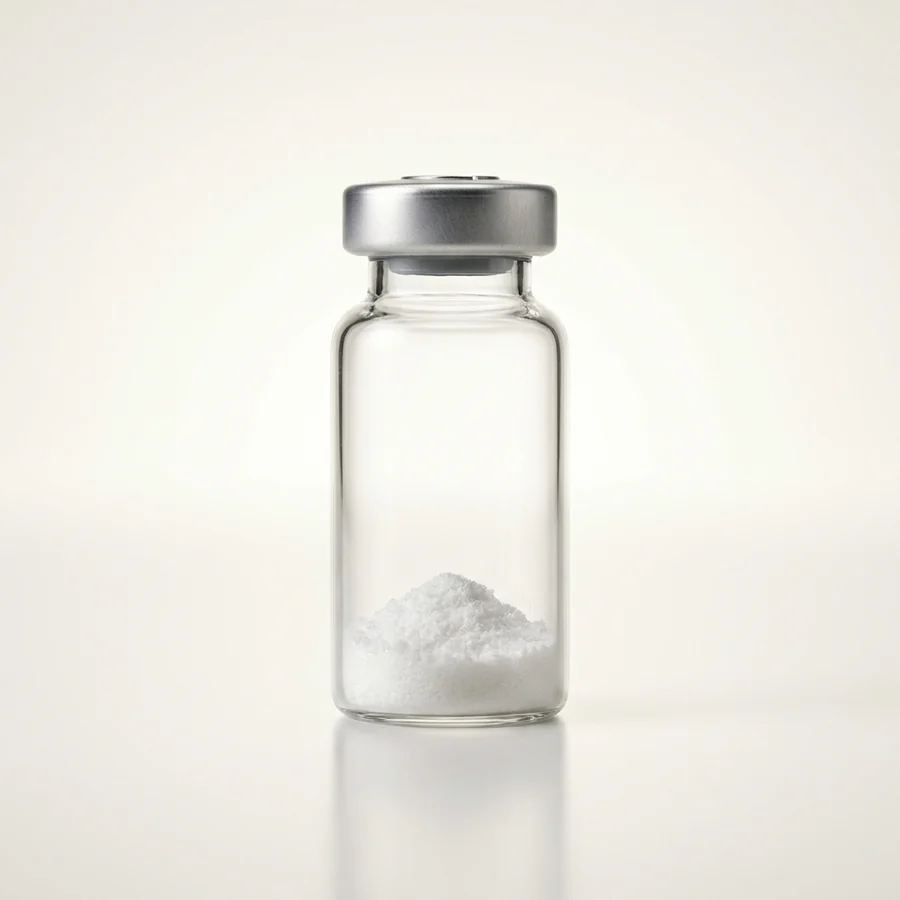
BPC-157 is listed as 5mg lyophilized vial; 10mg lyophilized vial; 5mg vials x 10 (kit); 10mg vials x 10 (kit). Catalog identity: CAS 137525-51-0; formula C62H98N16O22; molecular weight 1,419.53 g/mol. The lot COA for BPC-157 is available in your account. Finnrick Analytical performs HPLC purity analysis and mass spectrometry identity confirmation on that lot.
- Catalog configurations: 5mg lyophilized vial, 10mg lyophilized vial, 5mg vials x 10 (kit), 10mg vials x 10 (kit)
- CAS: 137525-51-0
- Formula: C62H98N16O22
- Molecular weight: 1,419.53 g/mol
See the BPC-157 COA page.
Storage & Handling
Store the lyophilized powder at -20°C, protected from light; bring to room temperature before opening. For in-vitro preparation use an appropriate laboratory diluent.
Shipping
Ships worldwide from 6 distribution centers via USPS Ground Advantage
Available for direct research purchase
Research-use-only products are sold strictly for laboratory and research purposes. By purchasing, you acknowledge that these products are not intended for human or veterinary use, and you agree to PharmaOrder's RUO terms of service.
Published Research
Selected peer-reviewed studies referenced in this product overview.
Pentadecapeptide BPC 157 and its effects on a NSAID toxicity model: diclofenac-induced gastrointestinal, liver, and encephalopathy lesions
Sikiric P, Seiwerth S, Rucman R, et al. — Life Sciences (2013)
Comprehensive review of BPC-157 protective effects against NSAID-induced organ damage in multiple preclinical models.
Stable gastric pentadecapeptide BPC 157: novel therapy in gastrointestinal tract
Sikiric P, Seiwerth S, Rucman R, et al. — Current Pharmaceutical Design (2011)
Review of BPC-157 cytoprotective mechanisms in the GI tract including ulcer healing, intestinal anastomosis, and fistula repair.
Pentadecapeptide BPC 157 enhances the growth hormone receptor expression in tendon fibroblasts
Chang CH, Tsai WC, Lin MS, et al. — Molecules (2014)
Demonstrated that BPC-157 upregulates GH receptor expression in tendon fibroblasts, accelerating tendon-to-bone healing in a rat model.
Brain-gut axis and pentadecapeptide BPC 157: theoretical and practical implications
Sikiric P, Seiwerth S, Rucman R, et al. — Current Neuropharmacology (2016)
Explores BPC-157 modulation of dopamine and nitric oxide systems and its neuroprotective effects across brain-gut axis pathways.
FAQ
What is BPC-157 used for in research?
BPC-157 is studied in preclinical research for its effects on tissue healing, cytoprotection, and angiogenesis. It has shown activity in tendon, ligament, muscle, and GI tissue repair models.
How is BPC-157 prepared?
BPC-157 is supplied as a lyophilized powder. For in-vitro preparation, use an appropriate laboratory diluent following your research workflow.
What purity is your BPC-157?
All BPC-157 ships with a Certificate of Analysis. We maintain a 99% minimum purity standard. Independent testing is available through Finnrick labs.
Is BPC-157 available for direct purchase?
Yes. BPC-157 research peptide is available for direct purchase. It is sold for research use only (RUO) and is not intended for human consumption.
Editorial Review
Updated March 2026. Reviewed against product catalog, quality, and fulfillment standards. This page is educational and not instructions for human use. See our editorial standards and quality process.
Compare BPC-157
Related Products
RUO
TB-500
A synthetic fragment of thymosin beta-4 studied for its role in actin regulation, cell migration, and tissue-repair pathways in research models.
$24
View Details →
RUO
CJC-1295
A synthetic GHRH analog studied for its ability to sustain elevated growth hormone levels in research models.
$45
View Details →
Ready to order BPC-157?
In stock. Ships within 24 hours, with tracking.
Order Now